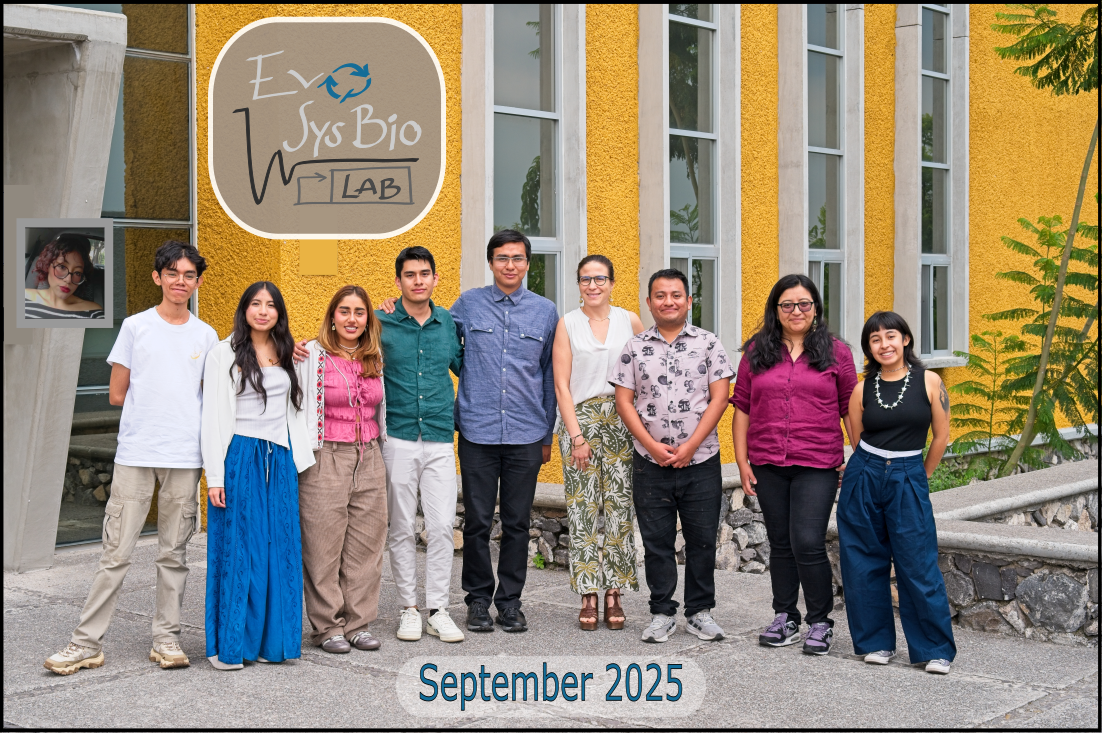
We combine tools from population genetics and systems biology to understand how the dynamic properties of gene regulatory circuits emerge, propagate and persist through natural selection. We aim to develop a quantitative theoretical framework that connects the dynamic regulation at molecular scale with its evolutionary patterns, identifying the underlying principles of the structure of gene regulatory circuits. See https://mgschiavon.org
We principally explore two strategies that organisms employ to cope with fluctuating environments: adaptive variation and homeostasis. Homeostasis is a fundamental characteristic of many biological systems that allows them to keep a variable of interest within its functional range regardless of environmental perturbations. Our objective is to identify and characterize mechanisms of homeostatic control generated by in silico evolution. Adaptive variation is an evolutionary strategy in which an organism confronts environmental uncertainty by generating phenotypic diversity, either over time within an individual or across individuals within a population. We aim to identify the evolutionary conditions that enable the emergence and persistence of this phenomenon.

Mariana obtained her B.Sc. degree in Genomic Sciences from UNAM (2009), her M.Sc. degree i..


